
Advice from Arredo3 experts on choosing materials for kitchen doors and worktops. Valuable insights into combining a preference for design and elegant aesthetics with the demands of fast-paced everyday life. Solutions that make the kitchen practical to use and easy to maintain.
THE EXPERT ANSWER
Ideas from Arredo3 experts
Materials for kitchen doors and worktops,
beautiful to look at, practical to use.
With so many materials available on the market, how do you choose the right one? It all depends on individual needs, how often the kitchen is used, personal taste and the available budget. There is no single best material for kitchen doors or worktops.
What is Laminam, and how does it differ from traditional stone and marble?
Laminam is made by using high-tech processes to transform clay-based raw materials, rocks and ceramic pigments into thin ceramic slabs. While providing the same visual effect as natural stone or marble, this material offers far greater durability over time because it is resistant to fungi and mould, temperature changes and commonly used chemicals. Among hard-wearing, easy-to-clean kitchen materials, it is therefore an excellent choice for those who appreciate the look of marble and stone but want to avoid the regular treatments these natural materials require.
Are gloss doors more difficult to maintain than matt doors?
Gloss surfaces, particularly lacquer and glass, generally make dust, fingerprints and small marks caused by everyday use more visible. With the same build quality, matt finishes require less maintenance and are therefore often preferred, especially in kitchens that are used intensively.
Which doors should you choose to avoid unsightly fingerprint marks on dark or matt surfaces?
To prevent fingerprints on kitchen doors - especially in dark shades or a total black scheme - the best finishes are Fenix® and PET with a treated matt finish. These new-generation materials use nanotechnology or advanced surface treatments to reduce light reflection and limit the absorption of skin oils. Alternatively, high-quality matt lacquers and new-generation technical laminates offer excellent stain resistance and can be cleaned quickly with a microfibre cloth dampened with warm water.
How should technical kitchen materials be cleaned and maintained without damaging them?
The golden rule for maintaining modern materials is to avoid abrasive products and overly aggressive degreasers such as bleach or hydrochloric acid. For the daily cleaning of gres, Fenix®, PET or laminate worktops and doors, all you need is a soft microfibre cloth dampened with warm water and a neutral detergent. For Fenix® specifically, stubborn stains can be removed and the matt finish restored using a melamine “magic sponge”, which will help keep the surface looking impeccable year after year.
Which material offers the best balance between quality and investment?
Laminate offers the most balanced combination of cost and technical performance, while still providing excellent resistance to wear. Materials such as stratified HPL, PET, Laminam and Fenix® require a higher investment, justified by their superior technical performance and even more refined appearance.


Designer kitchens made from hard-wearing, easy-to-clean materials are increasingly popular. How can you keep the kitchen looking as good as new? Almost always with just water and neutral soap.
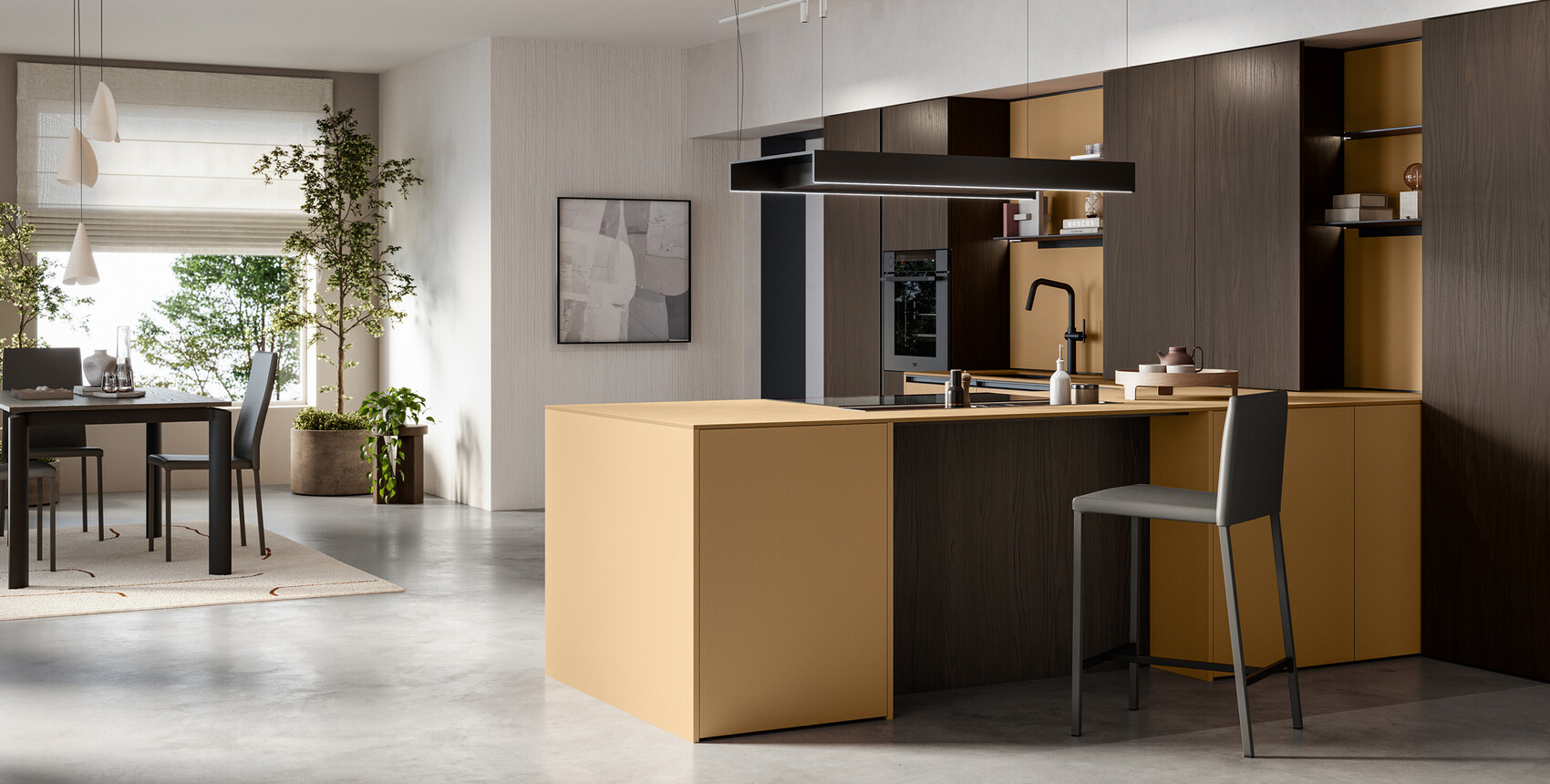
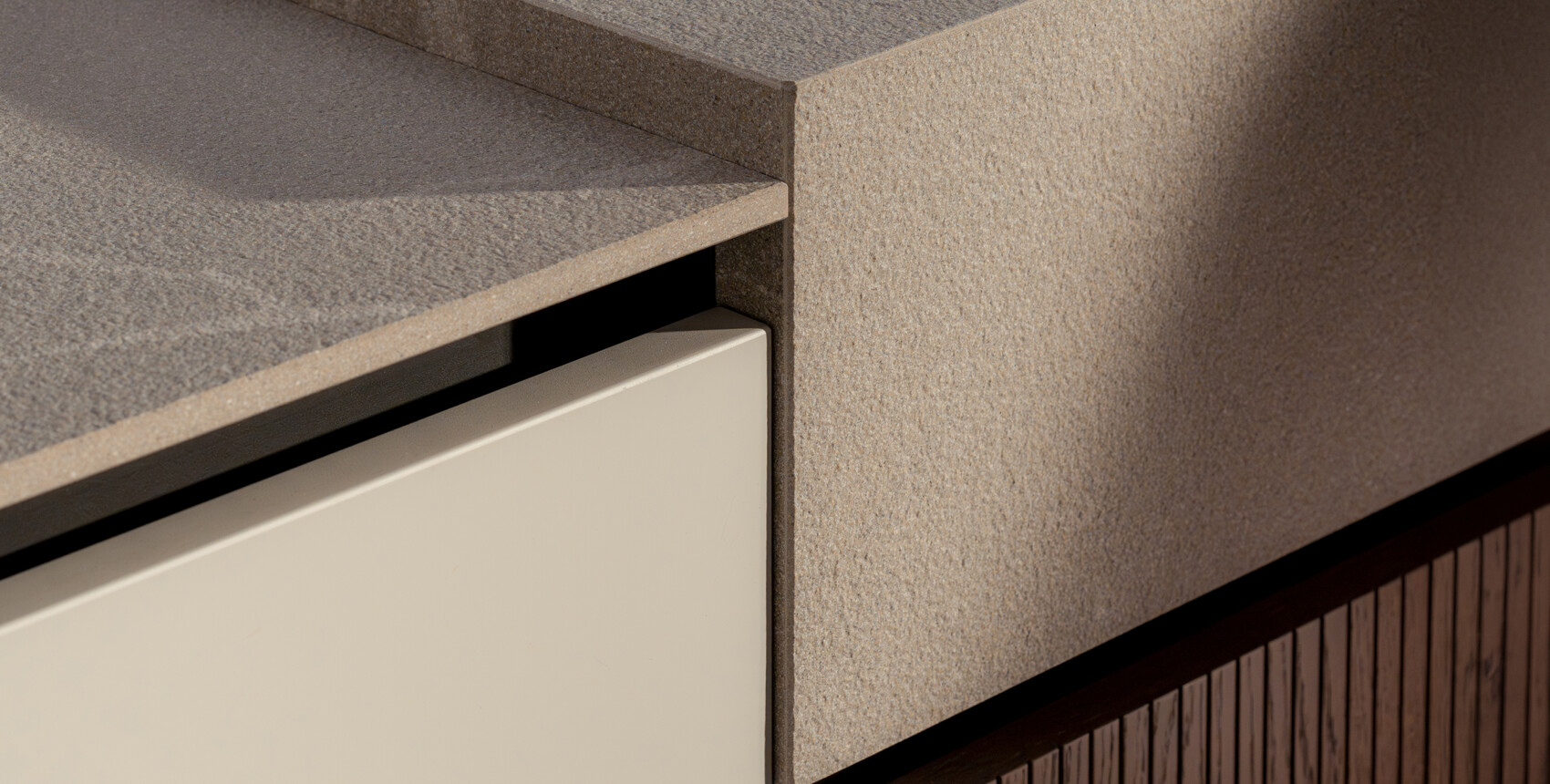
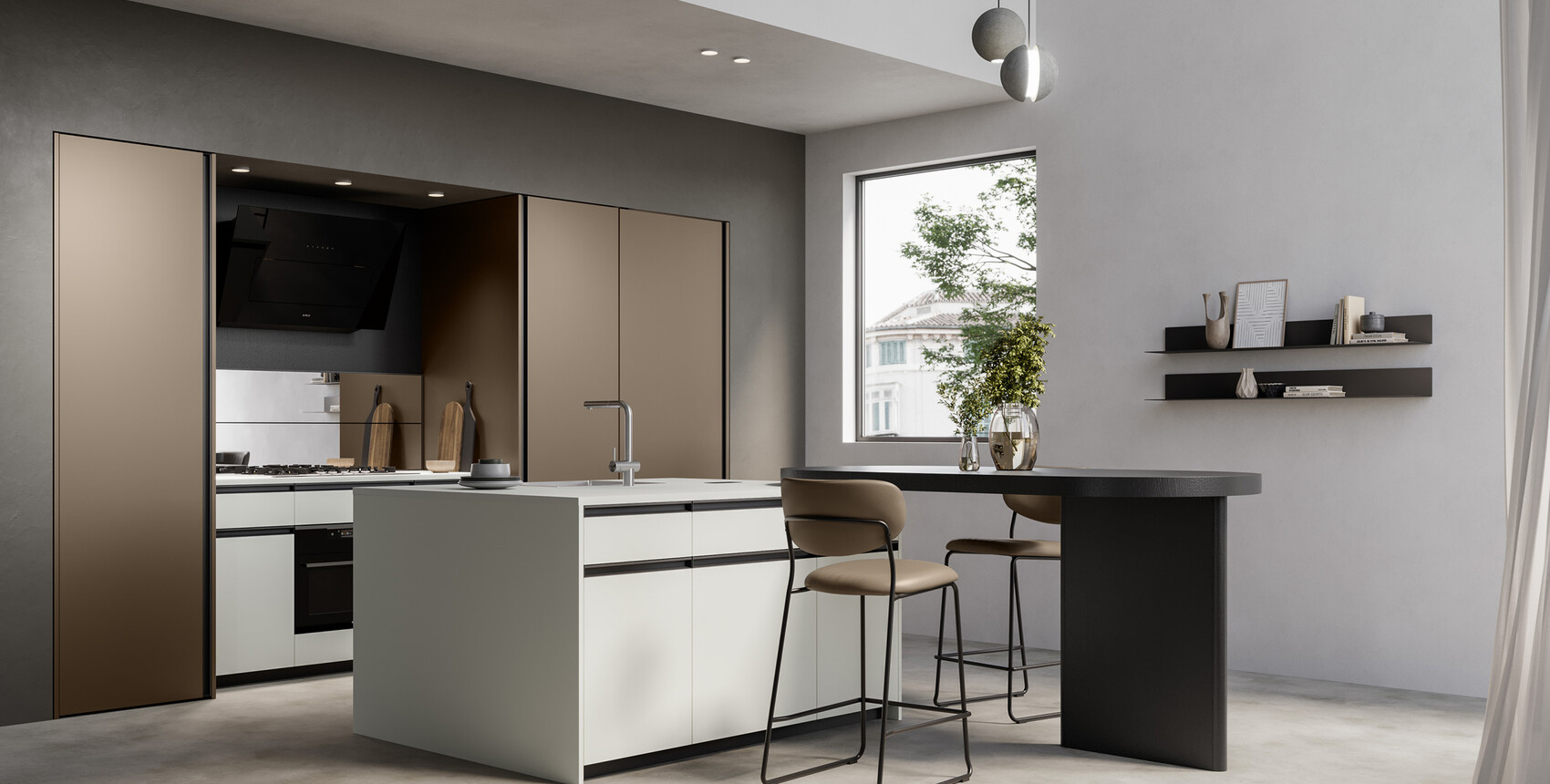
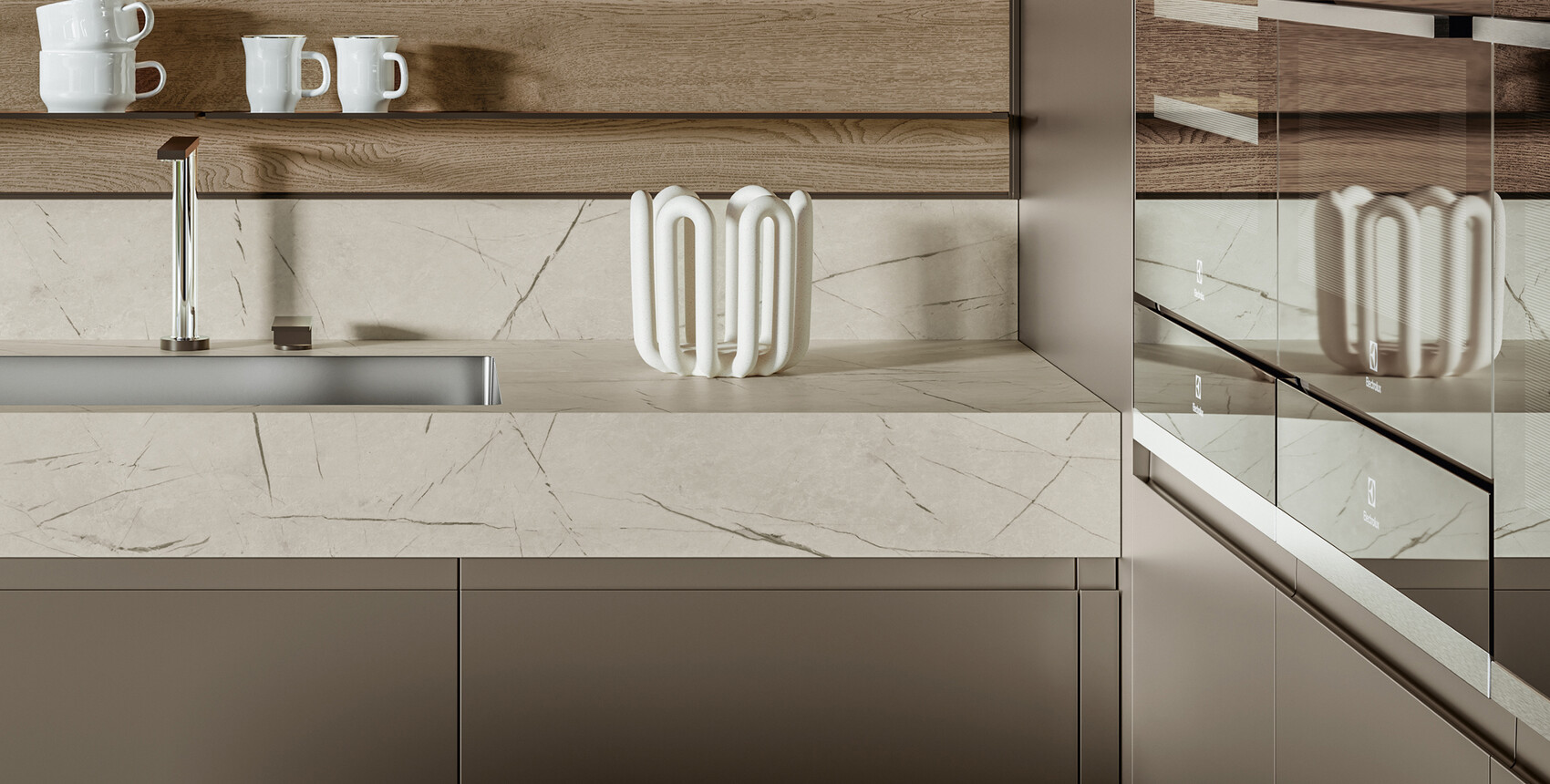
What is the most hard-wearing and practical material for a kitchen worktop?
Gres porcelain stoneware is made from natural raw materials, particularly clays and minerals, processed at extremely high temperatures into large slabs. Gres is currently considered the most hard-wearing material for kitchen worktops. It is highly water-repellent, does not stain when exposed to acidic liquids or deeply coloured foods such as lemon, oil or coffee, and offers exceptional resistance to the direct heat of pans and scratches from steel blades. For anyone seeking a hygienic surface that is easy to clean with just water and neutral soap and retains its beauty over time, gres is the outstanding choice among hard-wearing, easy-to-clean kitchen materials.
What are the differences between a Fenix® worktop and a gres worktop?
First, it is important to clarify that Fenix® can be laminate - the classic Fenix® - or stratified HPL Fenix®, which is more hard-wearing.
Both versions, as well as gres, deliver excellent performance in terms of practicality and ease of cleaning, making them ideal for anyone who wants an elegant, practical kitchen. The choice between Fenix® and gres therefore depends on aesthetic and functional priorities:
- classic Fenix® is best for those who want an ultra-matt, pleasant-to-touch soft-touch surface that resists fingerprints and has the unique ability to thermally repair superficial micro-scratches
- stratified HPL Fenix® is best for those who need greater resistance in addition to the features of the classic nanotechnology-based material, knowing that their worktops will be used intensively
- gres is best when the priority is maximum resistance to direct heat and extreme wear, or when a textured effect that reproduces natural marble or stone with exceptional realism is desired
What is the best material for a sink integrated into the kitchen worktop?
Rather than there being one best material, it is important to understand that some materials can be used to create a sink in a single piece with the kitchen worktop, while others cannot. Those who want a sink integrated into the worktop can choose materials such as gres, Abitum or stratified HPL. An alternative with the same clean style, while using a different sink material, is an undermount sink.
Is laminate a suitable choice for a mid- to high-end kitchen?
Certainly, especially in its higher-performance versions. It offers an excellent balance between cost and resistance to everyday use, with a very wide range of finishes for achieving a refined aesthetic even without the budget required for materials such as gres or ceramic slabs.
Is stainless steel suitable for a domestic kitchen, or only for professional kitchens?
It is an interesting choice for domestic settings too, especially for those seeking a clean, contemporary look. However, the surface tends to show scratches with everyday use, so it is important to consider your kitchen habits and, over time, accept the lived-in appearance of stainless steel.
When creating an elegant and practical kitchen, certain areas require particular attention because they are especially exposed to wear: the worktop; splashbacks near the hob and sink; lower doors, which are more prone to knocks and fingerprints; and the sink area in general.


For designer kitchens made from hard-wearing materials, request a consultation
Arredo3 retailers are available to help you understand how to design an elegant, practical kitchen using refined, hard-wearing and easy-to-clean materials for both the doors and worktops. Rely on qualified professionals!


